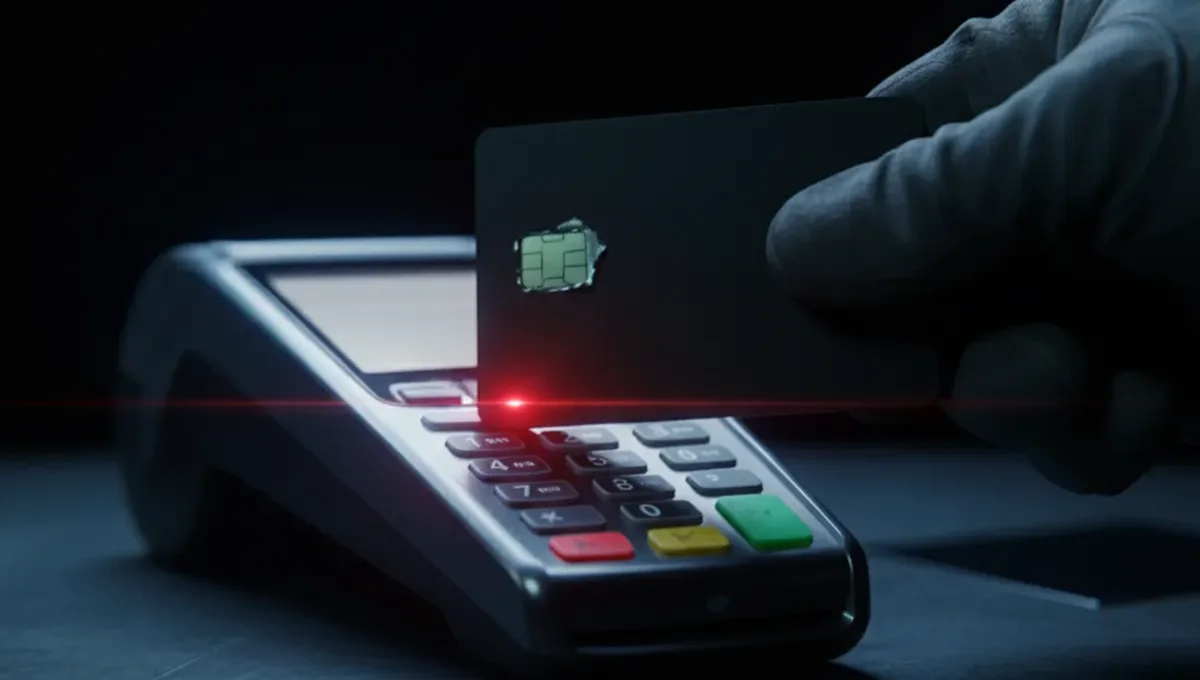
What Credit Card Trafficking Looks Like on Dark Web Markets
Credit card dumps and prepaid card schemes circulate on dark web forums and marketplaces as commodities. A dump typically refers to stolen card data extracted from point-of-sale systems, payment processors or data breaches. Sellers advertise these in bulk, often sorted by card type, issuing bank or geographic region. Buyers attempt to use the stolen numbers for fraudulent purchases, cash transfers or resale.
The supply chain involves multiple actors: initial data thieves who breach retailers or payment networks, middlemen who aggregate and resell the stolen data, and end-users who attempt to monetize it through purchases or transfers. Some sellers claim to offer fresh dumps with low detection rates, but verification is nearly impossible for a buyer. The entire transaction leaves a digital trail that payment networks and law enforcement actively monitor.
How Stolen Card Data Enters Dark Web Marketplaces
Stolen credit card information originates from several sources. Large retail breaches expose millions of card numbers at once. Malware installed on point-of-sale terminals captures card data during legitimate transactions. Phishing attacks trick employees into revealing payment processing credentials. Insiders at financial institutions or payment processors sell access to card databases directly.
Once stolen, the data moves through underground forums where it is packaged and priced. Deep web free credit cards or heavily discounted batches often indicate older breaches with higher fraud detection rates. Sellers use coded language to describe card types: Amazon cards, shop cards, and prepaid cards are marketed separately because each carries different fraud detection mechanisms. The speed at which data circulates means a stolen card number may be listed for sale within hours of the initial breach.
Why Buyers of Stolen Cards Face Arrest and Civil Liability
Purchasing or using stolen credit card data is wire fraud, identity theft and conspiracy to commit fraud under US federal law and equivalent statutes in most countries. Law enforcement agencies including the FBI, Secret Service and Europol maintain dedicated units that infiltrate dark web markets, identify buyers and sellers, and build cases for prosecution.
Marketplace operators themselves are targets. When a major market is seized, law enforcement often retains transaction records, usernames and payment trails. Buyers who used the platform face retroactive investigation. Even if a buyer avoids immediate detection, credit card fraud cases have long statutes of limitations. Victims and card issuers also pursue civil litigation. The financial penalties, restitution orders and prison sentences for participants in carding schemes routinely exceed ten years imprisonment and hundreds of thousands of dollars in fines.
The Reality: Detection, Exit Scams and Operational Security Failures
Credit card fraud detection systems have become extremely sophisticated. Banks and payment networks use machine learning to flag unusual transaction patterns in real time. A stolen card used in a different geographic region, for an unusual merchant category, or in rapid succession with other fraudulent transactions triggers immediate alerts and card cancellation.
Buyers also face exit scams from sellers. A vendor may accept payment in Bitcoin or other cryptocurrency, then disappear without delivering usable card data. Because the transaction is irreversible and the buyer cannot report the fraud to law enforcement without admitting their own crime, losses are total. Additionally, many sellers are themselves undercover law enforcement or informants gathering evidence. The operational security required to remain undetected across multiple transactions, cryptocurrency exchanges and marketplace interactions is far higher than most participants achieve. Even experienced actors make mistakes: reusing usernames across platforms, failing to isolate their Tor browsing, or leaving traces in their payment history.
How Credit Card Dumps and PayPal Transfers Are Monetized
Buyers attempt to convert stolen card data into usable funds through several methods. The most direct is attempting online purchases from retailers with weak address verification. Prepaid cards and gift cards are popular targets because they can be loaded with stolen funds and then resold or used for purchases that are harder to trace.
PayPal transfers represent another monetization path. A buyer uses a stolen card to fund a PayPal account, then transfers funds to a money mule account or cryptocurrency exchange. PayPal's fraud detection catches many of these transfers within minutes, but the delay allows some funds to move before the transaction is reversed. Bitcoin conversion is the final step: stolen funds are moved to a cryptocurrency exchange, converted to Bitcoin, and then laundered through mixing services or other wallets. Each step introduces additional risk of detection and loss to scammers or law enforcement seizure.
How to Protect Your Own Cards and Accounts
Your best defense is understanding how your card data can be compromised and taking concrete steps to reduce exposure.
- Monitor your credit reports regularly through official channels; check for unauthorized accounts or inquiries.
- Enable transaction alerts on all bank and credit card accounts so you receive notifications for any activity.
- Use unique, strong passwords for financial accounts and enable multi-factor authentication wherever available.
- Avoid entering card data on unsecured websites; look for the padlock icon and HTTPS in the address bar.
- Do not reuse payment methods across multiple merchants, especially unfamiliar ones.
- Consider using virtual card numbers or digital wallets that mask your actual card data from merchants.
- If you suspect your card has been compromised, contact your issuer immediately to freeze or cancel it.
- Do not click links in unsolicited emails claiming to verify account information; go directly to your bank's official website instead.
If your card data does appear in a breach, your issuer will typically issue a replacement card and monitor the account for fraudulent charges. The key is early detection and rapid response.
Why This Matters and What You Should Do Now
Credit card trafficking is not a victimless crime. Cardholders face identity theft, account freezes and the burden of disputing fraudulent charges. Merchants and banks absorb massive losses that are passed to consumers through higher fees and interest rates. The dark web markets that facilitate this activity are law enforcement priorities precisely because the harm is measurable and widespread.
If you have been curious about how these markets work, the answer is straightforward: they operate on the same principles as any black market, with higher fraud detection rates, more law enforcement presence, and lower success rates for participants than most people assume. The financial incentive attracts many buyers, but the operational security required and the legal consequences make participation extremely risky.
Your immediate step is to verify that your own financial accounts are secure. Check your credit report, enable alerts on your accounts, and use the resources on this site to understand how to verify legitimate onion services and avoid phishing clones that mimic financial institutions or payment processors.
Frequently asked questions
What happens if I buy stolen credit cards on the dark web
You commit wire fraud, identity theft and conspiracy to commit fraud under federal law. Law enforcement agencies monitor dark web marketplaces and build cases against buyers. Penalties include prison sentences of 10+ years and restitution orders in the hundreds of thousands of dollars. Even if you avoid immediate detection, cases have long statutes of limitations and can be prosecuted years later.
How do credit card dumps get onto dark web markets
Stolen card data originates from retail breaches, malware on point-of-sale terminals, phishing attacks targeting payment processors, or insiders selling database access. Once stolen, the data is packaged and sold on underground forums and marketplaces. The entire process from breach to marketplace listing can occur within hours.
Can I really use stolen cards without getting caught
Modern fraud detection systems flag unusual transactions in real time. Banks use machine learning to identify geographic anomalies, merchant mismatches and rapid-fire fraudulent charges. Most stolen cards are detected and cancelled within minutes of the first fraudulent attempt. Even if you avoid detection initially, payment networks retain records that law enforcement can access.
What is the difference between credit card dumps and prepaid cards on dark web
Credit card dumps are stolen card data that can be used for online purchases or cash withdrawals. Prepaid cards are physical or virtual cards that can be loaded with stolen funds. Prepaid cards sometimes evade fraud detection longer because they appear as legitimate transactions, but both are heavily monitored by payment networks and law enforcement.
How do I know if my credit card was stolen and sold on the dark web
Monitor your credit reports and bank statements regularly for unauthorized charges. Enable transaction alerts on all accounts. If you see fraudulent activity, contact your card issuer immediately. You can also check whether your email or card data appears in known breaches using the resources linked on this site, though not all stolen data is publicly disclosed.