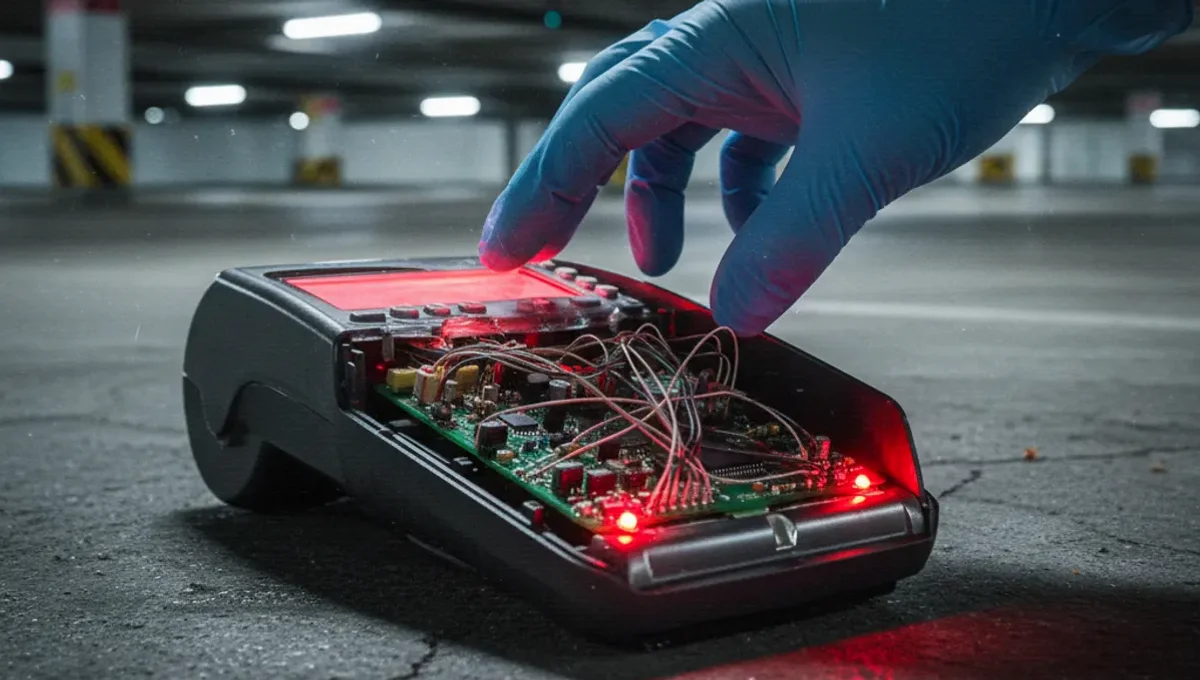
What Are Credit Card Dumps and Where They Come From
A credit card dump is a file containing the magnetic stripe data from a stolen card: the cardholder's name, card number, expiration date, and sometimes the CVV. These dumps originate from data breaches at retailers, payment processors, or ATM skimming operations. Criminals extract this data, encode it onto blank cards or use it for online fraud, then sell the dumps in bulk on darknet markets and forums. The price varies based on card type, issuing bank, and verification status. Dumps are typically sold in batches of 10 to 1,000 cards, with buyers testing a sample before committing to a larger purchase. The supply chain involves initial theft, data aggregation, quality control, and resale across multiple tiers of the underground economy.
PayPal Transfers and Account Takeover Tactics
PayPal transfer schemes on the deep web center on compromised account credentials and account takeover. Attackers gain access to PayPal accounts through phishing, credential stuffing, or malware, then transfer funds to money mule accounts or convert them to cryptocurrency. These stolen PayPal accounts are sometimes sold directly on darknet forums, often bundled with verified bank details or linked to funded cards. The buyer then attempts to drain the account or change the password and security questions before the legitimate owner notices. Law enforcement and PayPal's fraud detection teams have become increasingly effective at freezing these transfers and tracing the receiving accounts. A significant portion of these schemes collapse within hours because the legitimate account holder receives alerts or the platform's automated systems flag unusual activity patterns.
Cloned Cards and Prepaid Card Exploitation
Cloned cards are physical replicas created by encoding stolen magnetic stripe data onto blank plastic cards using specialized equipment. Prepaid card schemes involve loading stolen funds or compromised payment credentials onto prepaid cards, often marketed as a way to bypass traditional banking controls. Both tactics rely on the time lag between fraud and detection. A cloned card used at a retail point-of-sale terminal may work for a single transaction before the issuing bank flags the duplicate. Prepaid cards loaded with stolen money can sometimes be withdrawn at ATMs before the fraud is reported, but modern anti-money laundering systems have shortened this window significantly. Darknet vendors advertising cloned cards or prepaid card services typically operate for weeks or months before exit scamming or being identified by law enforcement. The actual success rate of these schemes is far lower than vendors claim in their marketing.
How Darknet Markets and Forums Operate These Services
Darknet markets and specialized forums dedicated to carding operate as marketplaces where vendors list stolen payment data, cloned cards, and account takeover services. Vendors maintain reputation scores based on buyer feedback, though these ratings are easily manipulated through fake reviews or purchased feedback. Transactions typically occur in escrow, where the marketplace holds cryptocurrency until the buyer confirms receipt and functionality of the product. Many markets require vendor bonds or deposits to reduce scamming, but this also creates a barrier to entry that filters out the most casual fraudsters while allowing more organized operations to persist. The markets themselves are frequently seized by law enforcement, exit scam, or migrate to new infrastructure. Buyers and sellers communicate through encrypted messaging, often with additional operational security measures like PGP encryption or Tor-only access.
Reality Layer: How These Schemes Actually Fail
According to public law-enforcement press releases and court records from major carding prosecutions, the vast majority of credit card dump purchases result in either no successful fraud or rapid detection and reversal. Reason one: card issuers and payment networks have real-time fraud detection that flags unusual geographic locations, transaction amounts, and merchant categories within seconds. Reason two: many dumps sold on darknet markets are outdated, already cancelled, or have been reported stolen by the legitimate cardholder weeks earlier. Reason three: money mule networks and cryptocurrency conversion services are now heavily monitored by financial intelligence units, making it difficult to convert stolen funds into usable cash without triggering reporting thresholds. Reason four: the vendors themselves are often undercover law enforcement or informants, meaning buyers are purchasing from agents who document the transaction for prosecution. These realities matter because they explain why despite the apparent volume of carding activity, actual financial losses are concentrated among a smaller number of victims whose data was stolen very recently and exploited before detection.
Legal Consequences and Law Enforcement Response
Purchasing or selling credit card dumps, cloned cards, or stolen PayPal accounts constitutes wire fraud, identity theft, and access device fraud under federal law in most jurisdictions. Convictions carry sentences ranging from 5 to 15 years imprisonment, plus restitution to victims and civil liability. Law enforcement agencies including the FBI, Secret Service, and Europol have dedicated cybercrime task forces that conduct undercover operations on darknet markets, posing as vendors or buyers to identify and prosecute participants. Major darknet markets have been seized, including operations that specialized in payment card fraud. Vendors and high-volume buyers are typically identified through blockchain analysis of cryptocurrency transactions, correlation of usernames across forums, or informant tips. The prosecution rate for darknet carding operations has increased over the past five years as agencies have developed better tools for tracing cryptocurrency and identifying individuals behind Tor connections.
Protecting Your Payment Data and Recognizing Your Risk
Your credit card data enters the underground economy through data breaches, skimming devices, or phishing attacks targeting you or merchants you trust. To reduce your exposure, monitor your bank and credit card statements regularly for unauthorized transactions, use credit monitoring services, and consider freezing your credit file with the three major bureaus if you suspect a breach. Enable transaction alerts on all payment accounts so you receive notifications of unusual activity. Use strong, unique passwords for financial accounts and enable multi-factor authentication wherever available. When making online purchases, use virtual card numbers or payment services that don't expose your primary card details to merchants. If you discover unauthorized transactions, contact your card issuer immediately; federal law limits your liability to 50 dollars if you report fraud within 60 days. Understanding that your data may already be in circulation on darknet markets is not cause for panic, but rather motivation to monitor actively and respond quickly if fraud occurs.
What You Can Do Today to Verify Your Security
Start by checking whether your email address or payment information has appeared in known data breaches. Visit the Useful Resources page on this site for links to legitimate breach notification services and credit monitoring tools. Review your credit reports from all three bureaus at no cost through the official annual report service. If you find unauthorized accounts or inquiries, file a dispute with the bureau and consider placing a fraud alert on your file. Set up transaction alerts on your bank and credit card accounts if you haven't already. Change passwords for any financial accounts that use weak or reused credentials. These steps take less than an hour and provide concrete visibility into whether your data is actively being exploited. The reality is that most people whose data has been stolen will never experience fraud if they monitor actively and respond quickly to alerts.
Frequently asked questions
Can you actually buy working credit cards on the dark web
Vendors claim to sell working cards, but the actual success rate is very low. Most dumps are outdated, already reported stolen, or detected by fraud systems within seconds. Law enforcement also conducts undercover operations on these markets, meaning many buyers are purchasing from agents. Even when a transaction succeeds initially, the cardholder typically receives an alert and the card is cancelled within hours.
What happens if you get caught buying stolen credit card data
Purchasing stolen payment credentials is federal wire fraud and identity theft. Convictions carry 5 to 15 years imprisonment, restitution to victims, and a permanent criminal record. Law enforcement uses blockchain analysis, username correlation, and informant tips to identify buyers. Darknet markets are regularly seized and their transaction logs are used as evidence in prosecutions.
How do credit card dumps end up on darknet markets
Dumps originate from retail data breaches, payment processor compromises, ATM skimming, or malware targeting point-of-sale systems. Criminals extract the magnetic stripe data, aggregate it, and resell it through darknet forums and markets. The supply chain involves multiple tiers of resellers, each taking a cut. Most dumps are sold within weeks of the initial breach before they are cancelled or reported.
Is PayPal transfer fraud still active on the deep web
Yes, compromised PayPal accounts are still traded on darknet forums, but detection and freezing have become much faster. Attackers gain access through phishing or credential stuffing, then attempt to transfer funds or convert them to cryptocurrency. Modern fraud detection systems flag unusual activity patterns within minutes, and most transfers are reversed before the attacker can move the money.
How can I tell if my credit card data has been stolen
Monitor your bank and credit card statements regularly for unauthorized transactions. Use breach notification services to check if your email or card number appears in known data breaches. Enable transaction alerts on all payment accounts. If you find unauthorized activity, contact your card issuer immediately; federal law limits your liability to 50 dollars if you report fraud within 60 days.