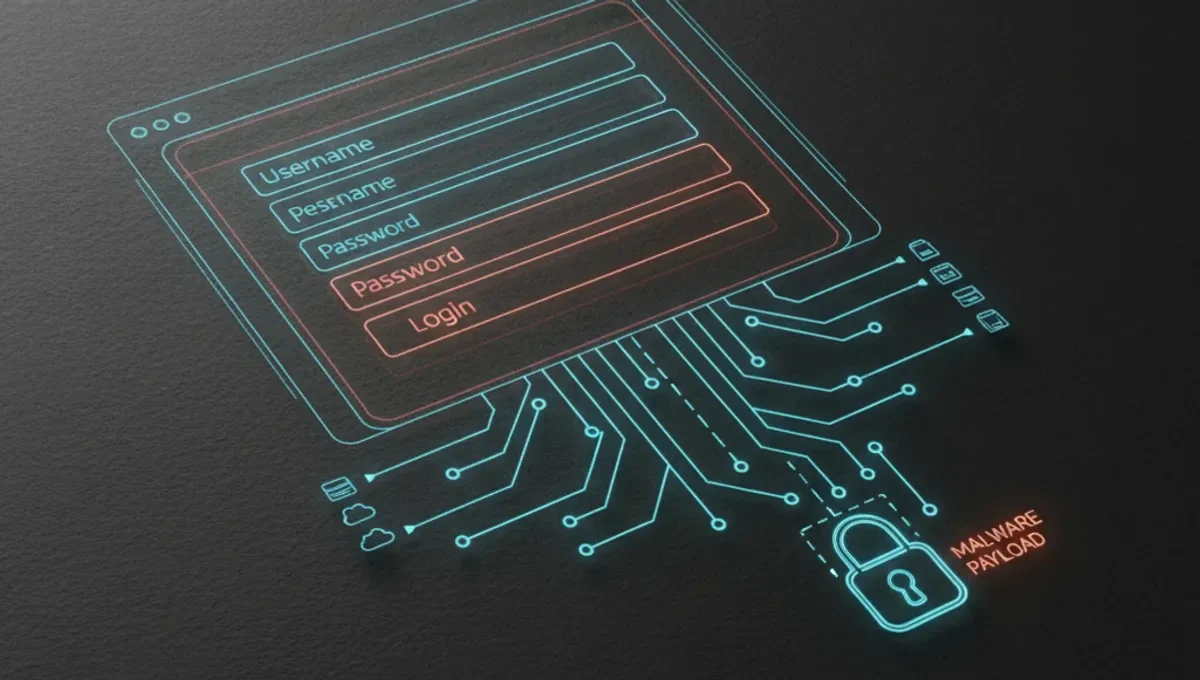
What a Deep Web Hacker Actually Does
The term 'deep web hacker' conflates two separate concepts: people who access the deep web (the non-indexed portion of the internet) and people who commit cybercrimes. Many deep web users are journalists, activists and researchers using Tor for legitimate privacy. Hackers who operate on the dark web, however, typically engage in activities like selling stolen credentials, offering malware-as-a-service, conducting ransomware campaigns or trading in compromised data.
These actors rarely work alone. They form networks on forums and marketplaces where they buy tools, sell access to compromised systems and coordinate attacks. A single breach might involve multiple specialists: someone who found the initial vulnerability, someone who escalated privileges, someone who exfiltrated data and someone who marketed it for sale. Understanding this division of labor helps explain why breaches are so common and why the best deep web links for security research often lead to law-enforcement takedown notices rather than active forums.
How Deep Web Markets Enabled Criminal Activity
Before law enforcement began systematically taking down dark web marketplaces, these sites functioned as bazaars for stolen data and hacking services. Vendors posted listings for databases, login credentials, malware samples and custom exploit code. Buyers could browse offerings, read reviews and transact using cryptocurrency. The anonymity provided by Tor and the escrow systems built into these platforms created a false sense of security for both sides.
The top deep web markets operated with reputation systems similar to legitimate e-commerce sites. A vendor's track record mattered; buyers left feedback and ratings. This structure, paradoxically, made these markets more efficient at distributing stolen information and hacking tools than they would have been without any organization. Law enforcement agencies documented how data from major breaches appeared on these sites within days, sometimes hours, after the initial compromise. The best deep web links for understanding this ecosystem now point to archived court documents and law-enforcement reports rather than active trading platforms.
Motivations: Money, Ideology and Coercion
Deep web hackers operate for different reasons. Financial gain is the most common: stealing credit card data, selling ransomware access or offering to unlock encrypted systems for a fee. Some are motivated by ideology, targeting organizations they oppose or leaking data to expose perceived wrongdoing. Others are coerced, either by criminal organizations that threaten them or by state actors who recruit them for espionage.
Understanding motivation matters because it shapes behavior and risk. A financially motivated actor might be predictable and willing to negotiate; an ideologically driven one might be unpredictable and willing to cause damage even if it means no profit. State-sponsored hackers operate with resources and patience that individual criminals cannot match. When you see a breach attributed to a particular group, the motivation often explains why that group targeted that victim and what they did with the data afterward.
Reality Layer: How the Ecosystem Actually Works
The Tor Project documentation emphasizes that Tor itself is a neutral tool; it does not inherently enable or prevent crime. However, the anonymity it provides creates conditions where criminal markets can operate with reduced fear of immediate identification. Law-enforcement agencies have documented that most dark web marketplaces eventually fail, either through seizure, exit scams or internal collapse, yet new ones emerge because the demand for anonymous transactions persists.
Court records from major prosecutions show that deep web hackers often make operational mistakes: reusing usernames across platforms, failing to compartmentalize their activities or trusting the wrong people. Security-vendor incident reports consistently find that the majority of breaches do not require sophisticated hacking; they result from weak passwords, unpatched systems or social engineering. This matters to you because it means the threats you face are not primarily from elite deep web hackers but from ordinary criminals using basic techniques against poorly defended targets. The best defense is not paranoia but consistent hygiene: strong passwords, multi-factor authentication, regular updates and skepticism toward unsolicited messages.
How Stolen Data Flows Through the Dark Web
When a hacker breaches a company and steals customer data, the next step is monetization. The data moves through several stages. First, the hacker might test a sample to prove its authenticity, posting a small subset on a forum or marketplace. If buyers show interest, the full dataset is listed for sale. Prices vary wildly depending on the data type: credit card numbers sell for less than database backups from financial institutions.
Some buyers are resellers who purchase in bulk and distribute the data to other criminals. Others are identity thieves who use the stolen credentials immediately. Still others are security researchers or law-enforcement agents who purchase data to track criminal activity. The best deep web web marketplaces for this trade have been systematically disrupted, but the underlying activity continues on encrypted messaging platforms and private forums. Understanding this flow helps explain why a breach you suffered years ago might suddenly result in fraud attempts today; your data may have changed hands multiple times and only recently been used.
Recognizing and Responding to Threats
If you suspect you have been targeted by a deep web hacker or that your data has been compromised, take these steps:
- Change your passwords immediately, starting with email and financial accounts.
- Enable multi-factor authentication on all accounts that support it.
- Monitor your credit reports and consider a fraud alert or credit freeze.
- Check for unauthorized access to your accounts by reviewing login history and connected devices.
- If you use the same password on multiple sites, change it everywhere.
Do not assume that paying a ransom or negotiating with a hacker will resolve the situation. Once your data is sold, you have no control over how it is used. If you operate a business and have suffered a breach, consult a lawyer and a qualified incident-response firm before taking any action that might interfere with a potential investigation. Law enforcement can sometimes help recover stolen data or identify perpetrators, but only if the breach is reported promptly.
Staying Safe Without Paranoia
The reality is that most people will never interact with a deep web hacker directly. Your risk comes from the downstream effects of breaches: your data sold, your credentials used to access other accounts, your identity exploited. The best defense is not learning to use Tor or accessing the dark web yourself, but rather practicing good security hygiene and understanding how your data moves through the internet.
Use a password manager to generate unique passwords for each site. Keep your operating system and software updated. Be skeptical of emails asking you to verify your identity or click a link. If you work in a field that handles sensitive data, learn about phishing and social engineering. These practices protect you far more effectively than any attempt to monitor the dark web yourself. If you are genuinely concerned about whether your data has been compromised, use the resources on this site to understand how to check breach databases safely and how to verify information without exposing yourself to phishing or malware.
Frequently asked questions
What is the difference between the deep web and the dark web
The deep web is any part of the internet not indexed by search engines, including medical records, academic databases and paywalled content. The dark web is a small portion of the deep web intentionally hidden and accessible only through specific software like Tor. Not all deep web content is illegal, but most illegal activity on the internet occurs on the dark web.
Can a deep web hacker find me if I use Tor
Tor protects your IP address and location from most observers, but it does not make you invisible. A hacker can still compromise your device through malware, exploit browser vulnerabilities or trick you into revealing personal information. Tor is a tool for privacy, not invulnerability. Your behavior online matters more than the tools you use.
How do I know if my data is on the dark web
You can check breach databases like Have I Been Pwned without exposing yourself to malware. These services aggregate public breach data and notify you if your email appears. Do not attempt to search the dark web yourself looking for your data; you risk encountering malware, phishing sites or law-enforcement honeypots.
What should I do if I see my information for sale on a dark web marketplace
Do not purchase it or contact the seller. Instead, change your passwords, enable multi-factor authentication and monitor your accounts for fraud. If you operate a business, report the breach to law enforcement and notify affected customers as required by law. Focus on damage control rather than trying to retrieve or remove the data yourself.
Are all people on the dark web hackers
No. Journalists, activists, researchers and ordinary people use Tor and the dark web for legitimate privacy reasons. The dark web also hosts forums, news sites and communication platforms. Hacking is one activity among many, and most dark web users are not criminals.