What Were Deep Web Link Collections in 2022
In 2022, link directories for the deep web served as informal indexes of onion sites. These ranged from simple text files shared on forums to more elaborate wiki-style pages. Most were maintained by volunteers and had no central authority verifying whether links were current or legitimate. A typical directory might list marketplaces, forums, whistleblowing platforms, and privacy-focused services all in one place.
The problem was immediate: onion sites go offline constantly, either by choice or by law enforcement action. A link that worked in January 2022 could be seized, exit-scammed, or voluntarily shut down by March. Directories rarely updated in real time, so users would click links expecting a marketplace or forum only to find a dead connection or a phishing clone pretending to be the original site.
Why Most 2022 Deep Web Links No Longer Work
Several factors explain why searching for links da deep web 2022 yields mostly broken results. First, law enforcement agencies worldwide increased their focus on darknet marketplaces and forums during that period. Major sites were seized, their operators arrested, and their infrastructure dismantled. Second, many site operators voluntarily took their services offline, either to avoid legal risk or because they had achieved their goals.
Third, the Tor network itself changes constantly. Exit nodes rotate, hidden service descriptors expire, and onion addresses can become unreachable if the server hosting them goes down. A directory snapshot from 2022 is essentially a historical artifact, not a working resource. Treating it as current is how users end up on phishing clones designed to steal credentials or private keys.
How Deep Web Directories Were Exploited
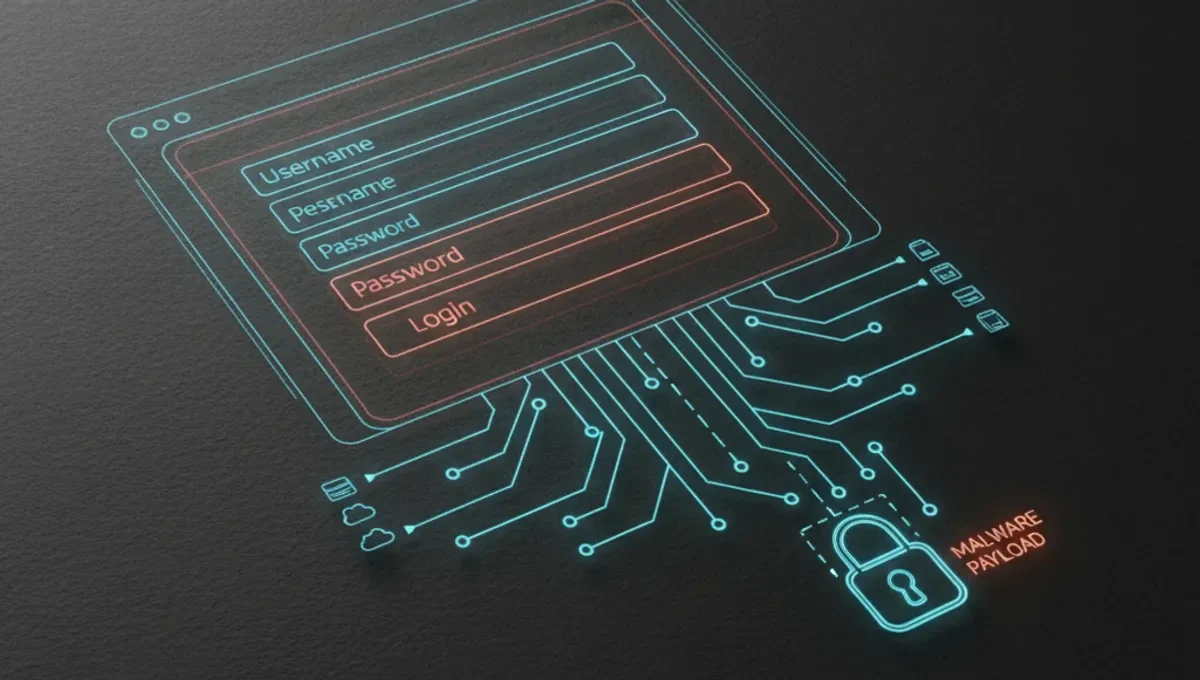
Phishing has always been the primary threat to onion site users. Attackers would register similar-looking onion addresses, host clones of popular marketplaces or forums, and wait for users to mistype or trust an outdated link. A user finding an old directory entry for a marketplace and clicking the link might land on a fake version that looked identical but was controlled by scammers.
The attack worked because onion addresses are long, random strings of letters and numbers. Users cannot easily memorize them or verify them by sight. If a directory listed an address without PGP-signed verification or without clear instructions on how to confirm authenticity, the user had no way to know if they were visiting the real site or a clone. This vulnerability persisted throughout 2022 and remains relevant today.
How to Verify Onion Addresses Safely
Rather than trusting a static list of links da deep web from any year, use these verification methods:
- Check the official project or organization's website for a PGP-signed announcement of their onion address.
- Look for the address on multiple independent sources and confirm they match exactly.
- Use the Tor Browser's built-in security features to check the site's SSL certificate and onion service metadata.
- If the site has a social media presence or a clearnet mirror, cross-reference the onion address there.
- For marketplaces or forums, ask established community members in trusted channels whether the address is current.
Never rely on a single directory, especially one that claims to list sites da deep web links from a specific year. Directories become stale within weeks. The Tor Project's official resources and PGP-signed announcements from the projects themselves are far more reliable than any third-party link collection.
Reality: How the Onion Ecosystem Actually Behaves
According to Tor Project documentation on hidden service security, onion addresses are not inherently more stable or permanent than clearnet sites. In fact, they are often more fragile because they depend on a single operator maintaining the server and keeping the hidden service descriptor updated. When that operator stops paying for hosting, gets arrested, or decides to exit, the site vanishes.
Public law-enforcement press releases from the past decade show that major darknet markets and forums typically remain online for one to five years before being seized or voluntarily shut down. This means that any directory claiming to list the best deep web links from 2022 is almost certainly outdated by now. Security-vendor incident reports consistently document that users who rely on outdated link collections are at higher risk of phishing attacks because they are searching for sites that no longer exist and are therefore more likely to click on clones. The lesson for readers is clear: verify addresses independently rather than trusting any historical directory.
Why Searching for Old Deep Web Links Is Risky
Searching specifically for links deep web 2022 or links da deep web pesados 2025 often leads to scam sites, malware-hosting pages, or phishing directories designed to capture credentials. Scammers know that users searching for old links are often desperate or inexperienced, making them easier targets. A fake directory might promise "verified 2022 links" but actually serve malware or redirect to credential-stealing pages.
Additionally, searching for these terms on clearnet search engines can flag your IP address and browsing history. If you are trying to access the deep web safely, your first step should be to download the Tor Browser from the official Tor Project website, not to search for link collections on Google. Once you have Tor running, you can find current information about onion services through official channels and community forums rather than relying on outdated directories.
Finding Current Deep Web Resources Safely
If you need to find active onion sites today, use these approaches instead of searching for 2022 link collections. First, visit the Tor Project's official website and read their documentation on onion services. Second, check the Useful Resources page of this site for links to current, maintained directories and verification methods. Third, join established Tor and privacy communities where members actively discuss which services are legitimate and which are clones or scams.
For specific services like whistleblowing platforms or privacy-focused communication tools, search for their official clearnet pages first and look for a PGP-signed onion address announcement. This approach is slower than clicking a link from an old directory, but it is far safer. You avoid phishing, you get current information, and you learn how to verify addresses yourself rather than depending on someone else's list.
Taking the Next Step: Verify Before You Connect
The core takeaway is that no historical directory of deep web links, whether from 2022 or any other year, is a reliable resource today. Sites change, disappear, and get replaced by clones constantly. Your safety depends on learning to verify addresses independently using PGP signatures, official announcements, and community feedback rather than trusting a list.
Start today by downloading the Tor Browser from the official Tor Project website and reading their security guide. Then, before visiting any onion site, spend two minutes confirming the address through multiple independent sources. This habit takes longer than clicking a link from a directory, but it protects you from phishing, malware, and credential theft. The time you invest in verification is the difference between safe exploration and becoming a victim.
Frequently asked questions
Are links da deep web 2022 still working
Most links from 2022 are no longer functional. Onion sites go offline frequently due to law enforcement action, voluntary shutdowns, or server failures. Directories become stale within weeks. Rather than searching for old links, verify current addresses through official PGP-signed announcements and trusted community sources.
How do I know if a deep web link is real or a phishing clone
Check the onion address against multiple independent sources to confirm it matches exactly. Look for PGP-signed verification from the official project or organization. Ask established community members in trusted forums whether the address is current. Never rely on a single directory or a link from a search engine result.
Where can I find current deep web links safely
Visit the Tor Project's official website and read their documentation. Check the Useful Resources page of this site for maintained directories and verification methods. Join established Tor and privacy communities where members discuss legitimate services. Always verify addresses independently before connecting.
Why do deep web directories get outdated so quickly
Onion sites are shut down by law enforcement, voluntarily closed by operators, or go offline due to server failures. Hidden services are less stable than clearnet sites because they depend on a single operator maintaining the infrastructure. A directory snapshot becomes unreliable within weeks because it cannot track these constant changes in real time.
Is it safe to search for deep web links on Google
Searching for deep web links on clearnet search engines can flag your IP address and browsing history. More importantly, the results often lead to scam sites, malware, or phishing directories. Download the Tor Browser from the official Tor Project website first, then find onion services through official channels and verified community resources.