Why People Search for PayPal on the Deep Web
Most searches for PayPal deep web access fall into a few categories. Some users believe a deep web version offers greater anonymity for transactions. Others have heard rumors that PayPal operates hidden services for privacy-conscious users. A third group is looking to buy stolen PayPal accounts or access credentials from marketplaces. None of these assumptions reflect reality. PayPal's business model depends on identity verification, regulatory compliance, and traceable payment flows. The company has no incentive to operate on the deep web, where law enforcement scrutiny is intense and user verification becomes nearly impossible. When you search for PayPal transfer deep web options, what you're actually finding are third-party scams and phishing sites designed to harvest your real PayPal login details or financial information.
Phishing Clones and Impersonation Sites
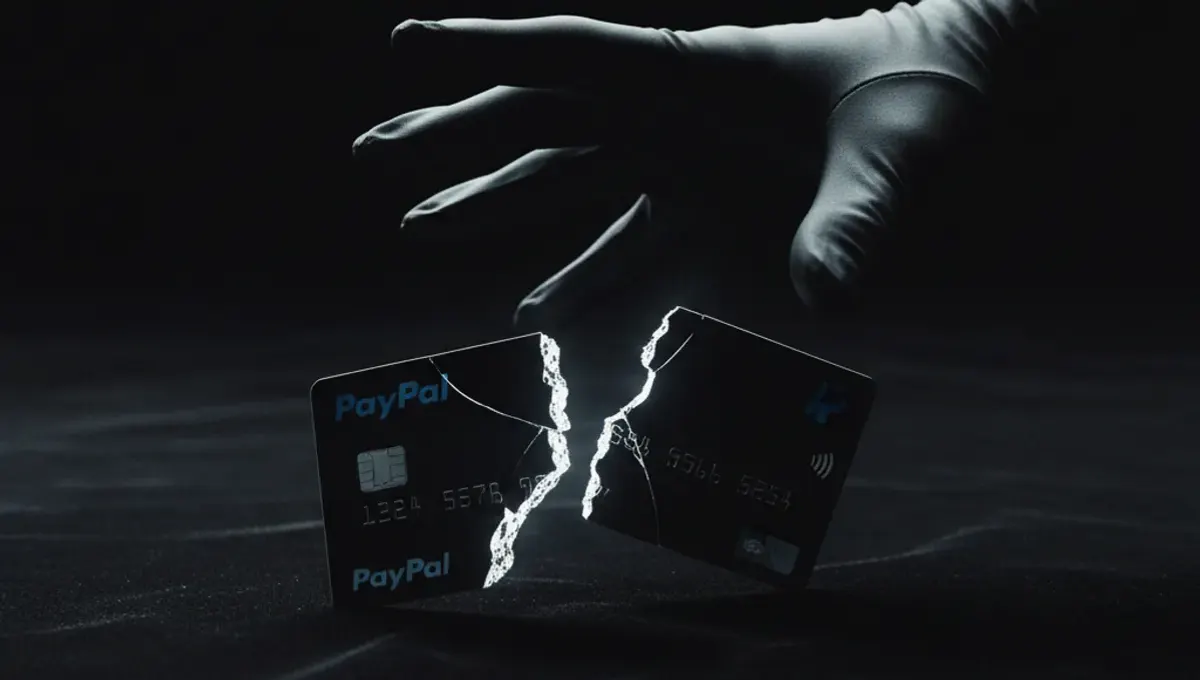
The most common PayPal-related content on the deep web consists of phishing clones. These are fake login pages that visually mimic the real PayPal interface. When a user enters their credentials, the attackers capture the username, password, and sometimes security questions. The clone site then redirects to the legitimate PayPal homepage, leaving the victim unaware that their account has been compromised. Attackers distribute links to these clones through forums, marketplace listings, and direct messages. They often advertise them as 'verified PayPal access' or 'anonymous PayPal accounts'. The best deep web security practice is to never enter your real credentials into any onion site, regardless of how authentic it appears. Even if the design is pixel-perfect, the URL will be a random .onion address, not PayPal's actual domain.
Stolen Account Marketplaces
Another category of PayPal-related deep web content involves the sale of compromised accounts. Marketplaces and forums advertise bulk lots of stolen PayPal credentials, often bundled with email addresses and sometimes linked account information. Sellers claim these accounts are 'verified', 'with balance', or 'ready to cash out'. The reality is far messier. Most of these accounts are either already locked by PayPal's fraud detection, belong to accounts with zero balance, or are duplicates sold multiple times. Buyers who purchase stolen credentials face several risks: the account may be recovered by the original owner, PayPal's automated systems may flag the unusual activity, and law enforcement may trace the transaction. Additionally, buying stolen financial credentials is illegal in most jurisdictions, regardless of where the transaction occurs.
How the Best Deep Web Marketplaces Operated
To understand why PayPal scams persist on the deep web, it helps to know how these marketplaces functioned historically. Major deep web marketplaces used escrow systems where the marketplace held funds until both buyer and seller confirmed the transaction. Vendors built reputation scores based on transaction history and user reviews. However, this structure created perverse incentives for fraud. Vendors could disappear after collecting payment, or sell the same stolen credentials to hundreds of buyers. Marketplaces themselves sometimes conducted exit scams, vanishing with all held funds. Law enforcement agencies eventually shut down the largest of these platforms through coordinated investigations and server seizures. The lesson for anyone considering a PayPal deep web transaction is that even structured marketplaces with reputation systems could not prevent fraud. An anonymous, unregulated platform offering financial services is inherently unreliable.
Reality Check: What Security Researchers and Law Enforcement Know
According to incident reports from security vendors and court documents from law enforcement actions, PayPal-related fraud on the deep web follows predictable patterns. Phishing campaigns targeting PayPal users often originate from the same infrastructure used for other financial credential theft. Stolen PayPal account sales spike after large data breaches affecting other platforms, because attackers reuse credentials across multiple services. The Tor Project's documentation on onion service security emphasizes that .onion addresses alone provide no verification of legitimacy. A fake PayPal site on the deep web is just as easy to create as a legitimate service, and users cannot distinguish between them without additional verification steps. Law enforcement agencies have successfully prosecuted individuals for operating PayPal phishing sites and stolen account marketplaces, resulting in convictions and asset seizures. This matters because it shows that deep web anonymity is not absolute, and operators of financial fraud schemes face real legal consequences.
Risks of Engaging with PayPal Deep Web Content
Entering your credentials into a phishing clone exposes you to account takeover. Once attackers control your PayPal account, they can transfer funds, change the password, add new payment methods, or link it to other accounts. Recovery is possible but time-consuming and may result in permanent account suspension. Buying stolen PayPal credentials exposes you to legal liability, as purchasing stolen financial information violates computer fraud and identity theft laws in most countries. You also become a victim of the original account holder's fraud, potentially implicating you in their disputes. Using a compromised PayPal account for transactions creates a record that law enforcement can trace. Even if you believe you're anonymous on the deep web, payment flows leave traces. Financial institutions cooperate with law enforcement, and transaction patterns can be analyzed. The safest approach is to treat any PayPal-related content on the deep web as hostile until proven otherwise, which is impossible to do with certainty.
Legitimate Alternatives for Privacy-Conscious Payments
If your concern is privacy in financial transactions, PayPal on the deep web is not the answer. Legitimate alternatives exist within the surface web. Some payment processors offer enhanced privacy features without requiring you to enter a criminal marketplace. Privacy-focused cryptocurrencies and peer-to-peer payment systems exist, though they come with their own trade-offs and regulatory scrutiny. If you need to verify whether a financial service is real, check the official website directly by typing the URL into your browser, not by following links from forums or marketplaces. Use two-factor authentication on any financial account you control. If you've already entered credentials into a suspicious site, change your password immediately and enable account alerts. The best deep web links for financial security are those that teach you how to protect yourself, not those that promise anonymity in transactions.
What to Do If You've Been Targeted
If you've encountered a PayPal phishing site or suspect your account has been compromised, take these steps. First, visit PayPal's official website directly and change your password immediately. Do not use a password you've used anywhere else. Second, enable two-factor authentication if you haven't already. Third, review your account activity and transaction history for unauthorized access. Fourth, contact PayPal's support team through the official website to report the compromise. Fifth, monitor your linked bank accounts and credit cards for suspicious activity. If you've purchased stolen credentials, do not attempt to use them. Report the marketplace or vendor to law enforcement through your country's cybercrime reporting channel. Document the URL, vendor name, and transaction details. The sooner you act, the better your chances of limiting damage. Top deep web security practices emphasize rapid response over attempting to hide the incident.
Frequently asked questions
Is there a real PayPal on the dark web
No. PayPal does not operate any official service on the dark web or deep web. Any PayPal-related .onion site is either a phishing clone designed to steal credentials or a marketplace selling stolen accounts. PayPal's business model requires identity verification and regulatory compliance, which are incompatible with deep web anonymity.
Can I buy PayPal accounts on the deep web
You can find listings for stolen PayPal credentials on deep web marketplaces, but purchasing them is illegal and risky. Most accounts are either already locked, have zero balance, or are duplicates sold multiple times. Buying stolen financial credentials violates computer fraud laws in most jurisdictions.
What happens if I enter my PayPal login on a deep web site
If you enter your credentials into a phishing clone, attackers gain access to your account and can transfer funds, change your password, or link new payment methods. You should change your password immediately and contact PayPal's support team. Enable two-factor authentication and monitor your linked accounts for unauthorized activity.
How do I know if a PayPal site on the deep web is real
You cannot reliably verify any PayPal service on the deep web because PayPal does not operate there. The safest approach is to assume all PayPal-related .onion sites are fraudulent. Always access PayPal through your browser by typing the official URL directly, never by following links from forums or marketplaces.
What should I do if I think my PayPal account was compromised on the dark web
Visit PayPal's official website and change your password immediately. Enable two-factor authentication, review your transaction history for unauthorized activity, and contact PayPal support. Monitor your linked bank accounts and credit cards. If you've purchased stolen credentials, report the marketplace to your country's cybercrime reporting agency.